Introduction
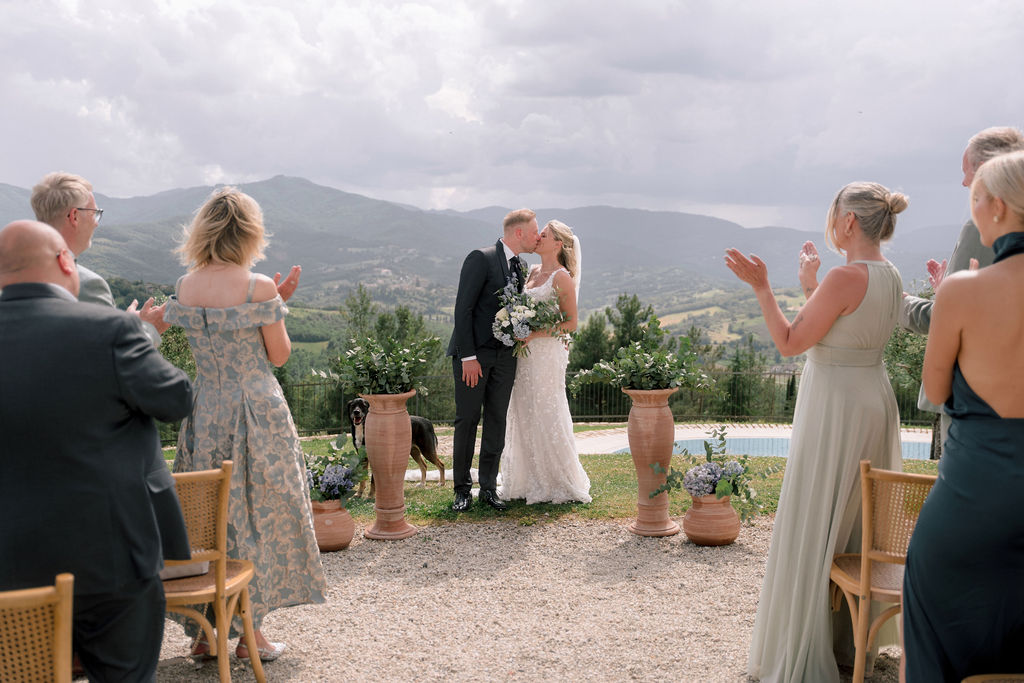
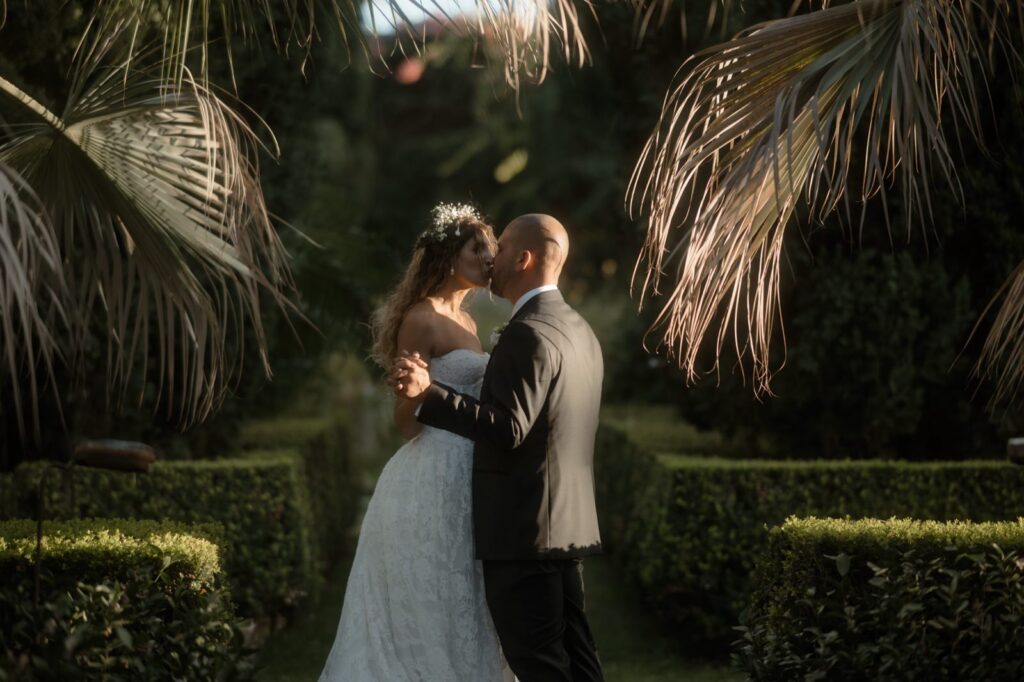
Getting married in Italy is more than a dream—it’s a timeless declaration of love surrounded by centuries of beauty, tradition, and la dolce vita. For international couples, however, the magic of saying “I do” under the Tuscan sun or within an ancient Umbrian chapel often comes with a web of logistical and legal questions.
This comprehensive, stress-free guide is designed to illuminate every step of the process for 2026 and 2027. Whether you envision a civil ceremony in a Renaissance town hall, a Catholic blessing in a frescoed cathedral, or a symbolic celebration among cypress trees and vineyards, this guide will help you navigate your options clearly and confidently.
From understanding ceremony types to managing country-specific documents and planning realistic timelines, we’ve curated the essential information you need—all in one place.
1. Why Italy Remains a Top Destination Wedding Hotspot in 2025
When couples picture “la dolce vita” on their wedding day, Italy still shines brighter than any other destination—and the numbers prove it. In 2024 the country hosted over 15,100 foreign weddings, an 11.4 % jump on the previous year, generating almost €1 billion in direct spending on venues, hospitality and local suppliers.
Industry analysts note that Italy now attracts about one-quarter of all couples worldwide who marry abroad, underscoring its continued global appeal.
Beyond the figures, several factors keep Italy firmly at the top:
- Iconic backdrops & venue diversity – From Renaissance palazzi in Florence to cliff-top terraces on the Amalfi Coast, the country offers a spectrum of settings that few rivals can match.
- Streamlined services for international couples – A mature network of bilingual celebrants, legal liaisons and destination-wedding planners helps couples navigate paperwork with confidence.
- Year-round romance – Shoulder-season celebrations in Autumn now account for 22 % of events, easing peak-summer crowds while keeping costs predictable.
- Focus on authenticity & sustainability – Small, multi-day experiences in historic villages or organic wine estates reflect a growing desire for meaningful, eco-minded celebrations.
2. Ceremony Types Explained—Civil, Religious & Symbolic
In Italy, love speaks many languages—including legal, spiritual, and symbolic ones. One of the first decisions an international couple must make is which type of wedding ceremony best reflects their values, cultural background, and logistical needs.
Each ceremony type comes with its own beauty and requirements, and understanding the differences is key to shaping your Italian wedding experience with clarity and serenity.
2.1 Civil Weddings (Town-Hall or Approved Venue)
Civil weddings are the most straightforward option for couples seeking a legally recognized marriage in Italy. Celebrated by a public official in Italian and in the presence of witnesses, they can take place in a town hall or in one of the many stunning venues that have been officially authorized for civil ceremonies. Some of these include elegant villas, historical palaces, and romantic gardens.
Despite being legal in nature, Italian civil weddings often unfold in breathtaking architectural settings, such as frescoed council chambers or panoramic coastal terraces. The ceremony includes the reading of legal articles from the Civil Code, followed by the exchange of vows and the signing of the register. An interpreter is typically required if neither partner speaks Italian.
It’s worth noting that paperwork deadlines vary depending on your nationality, but a good rule of thumb is to start preparing documents at least four to six months in advance. For couples seeking a meaningful, beautifully designed yet non-religious ceremony, the civil route remains a timeless and elegant choice.

2.2 Religious Weddings (Catholic and Other Faiths)
For those who wish to exchange vows in a sacred space, Italy offers countless religious venues of deep beauty and significance. Catholic weddings—by far the most common—can be legally binding if all requirements are met. These include the completion of pre-marital courses, specific documentation from both the couple’s home parish and the local Italian diocese, and that at least one partner is Catholic. These ceremonies often take place in ornate parish churches or chapels, surrounded by centuries of religious art and architecture.
Other faiths are also welcome in Italy. Protestant, Jewish, Orthodox, Hindu, and multi-faith ceremonies are all possible, though they typically require a separate civil ceremony either before or after to ensure legal recognition. Major cities like Florence, Rome, and Venice offer established communities and religious leaders who can assist with these arrangements.
Religious weddings in Italy carry a special atmosphere—deeply symbolic and emotionally resonant, yet also grounded in age-old traditions that make the moment feel truly timeless. Couples who choose this path should be prepared for a more intensive planning process in terms of documentation, but the reward is an experience of profound spiritual depth.
2.3 Symbolic Weddings (Why They’re Trending)
Symbolic weddings are, in many ways, the heart of destination ceremonies in Italy today. These celebrations are not legally binding, but they allow couples full freedom to shape their moment as they wish—whether that means exchanging vows in a Tuscan olive grove, reciting poetry in a medieval courtyard, or blending family rituals in an Umbrian vineyard.
Without legal or religious constraints, symbolic weddings offer a canvas where creativity and emotion take center stage. Couples often write their own vows, incorporate meaningful rituals such as handfasting or unity wine ceremonies, and may invite a friend or family member to officiate.
This format has become especially popular among international couples who handle the legal paperwork at home, freeing their Italian ceremony to focus solely on the emotional and aesthetic experience. For multicultural unions or second marriages, this is often the ideal path—intimate, inclusive, and profoundly personal.

3. The Core Bureaucratic Checklist (Universal Steps)
No matter where you’re from, getting legally married in Italy means fulfilling a few essential bureaucratic steps. While some requirements vary by nationality (explored in Section 5), there are several core documents and procedures that apply universally to all foreign couples—or at least to the partner who is not an Italian citizen.
Understanding these key elements will help you prepare with confidence and avoid the common pitfalls that can arise close to the wedding date.
3.1 Minimum Age, Capacity & ID
Italy requires both spouses to be at least 18 years old to legally marry. If one of the partners is younger, parental consent is necessary, along with special approval from the relevant court in Italy—which makes this route rare and more complex.
Equally important is the concept of capacity to marry. This means both individuals must be free to marry, legally and mentally. Neither can already be married (even if separated), and both must be of sound mind and willing to enter into the union.
For identification, all couples must present:
- A valid passport (or EU identity card if applicable)
- A copy of their birth certificate
- Any applicable divorce decree or death certificate of a former spouse, if either party was previously married. Please note that if the previously married party is a woman, Italian law requires that the divorce certificate must be dated at least 300 days prior to the wedding
All documents that are not originally in Italian must be officially translated by a certified legal translator, and may also need to be apostilled or otherwise legalized, depending on the regulations of your home country.
3.2 Nulla Osta / Certificate of No Impediment
The Nulla Osta (literally, “no obstacle”) is the cornerstone document of the Italian marriage process for foreigners. It certifies that there are no legal reasons preventing you from marrying under your own country’s laws.
How you obtain the Nulla Osta depends on your nationality:
- Some countries, like the United States, issue a sworn affidavit at their consulate in Italy.
- Others, like the UK, require couples to get a Certificate of No Impediment (CNI) in their home country, followed by legalization steps.
- Citizens of many EU countries must obtain official documentation from their town hall or consular authority.
Once issued, the Nulla Osta must usually be translated into Italian by a certified translator and legalized, unless your country has a bilateral agreement with Italy that simplifies this step. The document is typically valid for six months (or less), so it’s important to time your request accordingly.
3.3 Atto Notorio & the Declaration of Intent
In addition to the Nulla Osta, many foreign citizens—especially those outside the EU—are also required to obtain an Atto Notorio, a sworn statement made before two witnesses at an Italian consulate abroad or before an Italian court. It confirms that there is no legal impediment to the marriage, based on personal status.
While the Atto Notorio may seem similar to the Nulla Osta, they are not the same document. In fact, some nationalities require both. The process involves appearing in person and presenting documentation, so advance planning is essential.
Finally, within a few days of the wedding, both spouses must make a formal declaration of intent to marry (Dichiarazione di Matrimonio) at the town hall where the ceremony will take place. This appointment is made with the local registrar and confirms your wish to proceed with the marriage.
In summary, while the paperwork may seem complex at first glance, with the right timeline and expert guidance, it becomes entirely manageable. With the support of a seasoned wedding planner, this legal framework becomes a quiet structure in the background—allowing the beauty, the ceremony, and the emotions of the day to take center stage, undisturbed by administrative concerns.

4. Documents Required for Religious Weddings (Catholic & Other Faiths)
When it comes to religious weddings in Italy, the beauty of the setting is only one part of the experience—the other lies in navigating the traditions and paperwork of your faith. While the spiritual meaning of these ceremonies is profound, the documentation needed to celebrate them legally and properly in Italy requires care and planning. Here we explore what is needed for Catholic weddings, other faiths, and how to manage the increasingly popular religious + civil combinations.
4.1 Catholic Church Documentation
Italy is home to some of the world’s most beautiful churches and chapels, and the Catholic wedding ceremony continues to be one of the most requested by couples from abroad. But it is also the most document-intensive.
To be married in a Catholic church in Italy, at least one of the spouses must be Catholic, and both must be free to marry according to Church law. The couple will need to begin preparations in their home parish, where they typically undergo Pre-Cana or premarital counseling.
The following documents are commonly required:
- Baptismal and Confirmation certificates, issued within six months of the wedding
- A “Prenuptial Inquiry” (Indagine Prematrimoniale) from the home parish, signed and sealed by the diocese
- A letter of permission from your local bishop allowing the marriage to take place abroad
- A Nihil Obstat from the Diocese in Italy confirming there is no impediment to the marriage
- Identification documents and, where needed, evidence of a civil marriage if one already took place
All religious documents must be submitted well in advance—at least two to four months before the ceremony, depending on the parish’s requirements. They must also be translated into Italian and legally authenticated if not already in that language.

4.2 Other Religions: Orthodox, Protestant, Jewish, Interfaith Nuances
Italy warmly welcomes religious ceremonies of other faiths, but the recognition of these weddings—both legally and spiritually—can vary.
Protestant weddings are often symbolic unless paired with a civil ceremony, as most denominations do not have agreements with the Italian State to solemnize legal unions. Still, many English-speaking pastors and Protestant communities in major cities like Florence and Rome offer authentic, meaningful rites.
Orthodox weddings (Greek, Russian, Romanian) can be legally binding in Italy, provided the officiant is recognized by the Italian government. Documentation required typically includes baptismal certificates, proof of freedom to marry, and civil documents, all of which must be translated and legalized.
Jewish weddings in Italy are traditionally conducted by a rabbi within an approved synagogue or setting. They are not automatically legally binding and must usually be paired with a civil ceremony. Additional religious requirements such as proof of Jewish identity and community affiliation may apply, depending on the rabbi and congregation.
Interfaith weddings—for example, between a Catholic and a non-baptized person—are possible, but require special dispensations from the Catholic bishop. These must be requested in advance and supported by specific documentation.
In every case, involving a local officiant or community leader early in the planning process is essential, as each tradition may have its own timeline and unique expectations.
4.3 Religious + Civil Combo: How to Manage Both
Many couples, especially those from abroad, choose to celebrate both a religious and a civil ceremony—either on the same day or separately. While this approach can be deeply meaningful, it requires precise coordination.
While a Catholic wedding in Italy can serve as both a religious and legal ceremony—thanks to the Concordat agreement between the Church and the Italian State—it’s important to note that not all countries automatically recognize this dual status. Depending on the legal framework in your country of residence, a separate civil registration may still be required to ensure that your marriage is officially valid back home. For this reason, many couples choose to complete a civil ceremony either in their home country before traveling to Italy, or at an Italian town hall in addition to their church wedding. Your wedding planner can guide you through this process, helping you understand whether a Catholic ceremony alone will meet the legal requirements of your home country.
For other religions, the usual route is to hold a civil wedding first, either in the couple’s home country or at an Italian town hall. The religious ceremony then follows as a symbolic or spiritual celebration, with no legal implications.
Timing is everything. If both ceremonies are held in Italy, it’s important to allow adequate time between appointments, especially when public offices and places of worship are involved. Your wedding planner plays a crucial role in coordinating the sequence and making sure that all translations, legalizations, and signatures are in place.
Navigating the sacred and the legal aspects of a religious wedding in Italy may require extra steps, but it also brings extraordinary depth to the experience. Whether you’re planning a full Catholic Mass in a Roman basilica or an interfaith blessing among olive trees, understanding the requirements will help you honor your faith—and your love—with full peace of mind.

5. Country‑Specific snapshots (with Official Links)
While the Italian marriage process includes several universal steps, each country has its own additional requirements. Understanding them early on can save couples time, stress, and unnecessary surprises. Below is a brief overview for couples from the United States, United Kingdom, and EU, along with direct links to official sources where you can find the most up-to-date guidance.
5.1 United States – Atto Notorio + Affidavit at U.S. Consulate
For U.S. citizens, the legal process for marrying in Italy includes two key documents, both of which confirm that there are no legal impediments to your marriage—each required at a different stage, and by different authorities.
The first is the Atto Notorio, a sworn declaration made before arriving in Italy. It must be obtained at your nearest Italian Consulate in the United States, and you’ll need to appear in person with two adult witnesses (not relatives), plus your passport and birth certificate. Some consulates require an appointment weeks or even months in advance, so this step should be one of the first you plan.
The second is the Affidavit (commonly called the Nulla Osta), which you’ll complete in Italy at a U.S. Consulate. It confirms again that you are free to marry under U.S. law. Once signed before a consular officer, the document must be legalized by the local Prefettura in the region where your wedding will take place.
Planning tip: While the Affidavit is valid for three months, the Atto Notorio has no expiration—but both should be coordinated well in advance of your ceremony date.
Useful link: U.S. Embassy & Consulates in Italy – Getting Married in Italy
5.2 United Kingdom – CNI + Bilingual Statutory Declaration + Apostille
UK citizens must obtain a Certificate of No Impediment (CNI) by giving notice at their local registry office. This single process can take up to 30 days, so it’s best to start early. In addition, couples will need a bilingual Statutory Declaration, signed before a solicitor or public notary. Both documents must be apostilled by the FCDO and later translated and legalized for use in Italy.
These steps are precise but entirely manageable with good timing and support.
Useful link: GOV.UK – Italy: Certificate of No Impediment Application Pack
5.3 EU Citizens – Home-Country Nulla Osta & Translation Guidelines
Citizens of other EU countries usually request a Nulla Osta or equivalent certificate from their local town hall or civil registry. This document confirms their eligibility to marry and must be apostilled and legally translated into Italian. Some Italian municipalities may also request evidence of published banns (pubblicazioni) in the home country.
Because requirements can vary from one Italian region to another, it’s always advisable to check with the local consulate or the Italian town hall where the ceremony will be held.
Useful link: Italian Ministry of Foreign Affairs (Farnesina) – Marriage Information
What is an Apostille?
An apostille is a special certification that verifies the authenticity of a document for use abroad, in accordance with the Hague Convention of 1961. It does not legalize the content, but confirms that the signature, seal, or stamp on the document is genuine. This step is often required for certificates issued in your home country—such as birth certificates, divorce decrees, or declarations of no impediment—before they can be accepted by Italian authorities. Each country has its own designated office for issuing apostilles (e.g., the FCDO in the UK, or state-level offices in the U.S.). Once apostilled, documents must still be translated into Italian by a certified legal translator before being submitted in Italy.
Planning a wedding abroad means balancing romance with a few formalities—but you are not alone in this. By following your country’s requirements and working with trusted professionals, these steps become not a burden, but part of the meaningful journey toward your wedding day in Italy.

6. Timing & Logistics: When to Start Each Step
Planning a destination wedding in Italy means balancing romantic anticipation with practical timing. While every couple’s timeline is unique, there are certain key stages that help ensure a smooth and stress-free process—especially when it comes to legal documentation, venue bookings, and coordination with Italian authorities.
With the right planning rhythm, the journey to your wedding day becomes not just organized, but truly enjoyable.
6.1 Ideal Timeline (12‑, 6‑, 3‑Month Checkpoints)
For most couples, the ideal timeline begins about 12 months before the wedding, particularly if you’re planning a legal ceremony.
- 12 months before – Secure your date and venue, and begin discussions with your planner about ceremony type (civil, religious, symbolic). If legal, identify the specific documents required for your nationality.
- 9–10 months before – Schedule any consular appointments (such as for the Atto Notorio), especially in the U.S. or UK where wait times can be long.
- 6 months before – Begin gathering official documents (birth certificates, divorce decrees, CNIs). Ensure that passports are valid and names match across documents.
- 3–4 months before – Obtain translations and apostilles where needed. Your planner will help you book municipal appointments (such as the declaration of intent) if you are having a civil or Catholic ceremony.
- 2 months before – Finalize your timeline with local authorities, review logistics with your planner, and prepare for travel.
6.2 Fast‑Track Tips & Common Slow‑Downs
Italy may be known for la dolce vita, but when it comes to bureaucracy, details matter. Some towns or dioceses move quickly, others less so. Here’s how to stay ahead:
Be flexible with weekdays. Italian town halls and parishes often have limited availability for weddings—especially legal ones—on weekends. Booking a midweek date can speed up approvals.
Avoid last-minute summer peaks. In July and August, many offices reduce hours or close entirely for holidays. Finalize paperwork well before then if you’re planning a summer celebration.
Always double-check names and spellings. Mismatches across passports, CNIs, or affidavits (especially for those with dual citizenship or name changes) can delay or invalidate your application.
Use your planner’s experience. A local wedding planner will often know how far in advance a specific Comune or parish needs to receive your paperwork—and when to follow up.
A wedding in Italy flows best when time is on your side. With thoughtful pacing, expert support, and a little room for local rhythm, your planning journey will unfold with the same grace and beauty as the day itself.

7. Costs, Taxes & Hidden Fees (2025 Benchmarks)
While Italy’s romance is priceless, the path to a legal wedding does involve some practical costs. From municipal taxes to document translation, understanding these financial aspects early helps couples plan with confidence—and ensures that no detail feels like an unexpected surprise.
7.1 Venue fees & civil licence costs
For couples planning a civil wedding in Italy, one pleasant surprise is that many town halls—especially in smaller municipalities—do not charge a fee for the use of their official ceremony room, provided the wedding is held during normal weekday hours. This makes the legal route not only elegant, but also cost-effective.
However, some municipalities do charge a fee—especially for non-residents, ceremonies held outside regular hours, or weddings celebrated in a different municipal property such as a historic villa or garden officially authorised for civil rites. In these cases, fees may range from €300 to over €1,000, depending on the town and location.
Municipalities are free to set their own policies, so it’s always best to check directly with the Comune where you plan to marry, or to have your planner handle this on your behalf to avoid unexpected costs.
It’s important to distinguish this from private venues—like villas, castles, or wine estates—that are licensed to host civil weddings on-site. These venues typically do not separate the “ceremony fee” from the overall rental cost, which often includes exclusive use of the space for the entire day, reception, and any additional services. In such cases, the legal ceremony becomes part of a seamless, all-in-one experience, rather than a separately itemised charge.
7.2 Translation & Legalisation Budget
The true cost of a legal wedding in Italy isn’t just about the venue—it’s also about paperwork. Couples, especially those coming from outside the EU, should plan for the cost of official translations, sworn declarations, and document legalisations.
Legal translations can cost anywhere from €25 to €60 per page, depending on the language and level of certification required. In some cases, documents must be sworn in court—adding another layer of formality and a fee that usually ranges between €150 and €300. Then there are apostilles, which are required to authenticate documents for use abroad. These are issued in your home country—by the FCDO in the UK or state-level offices in the U.S.—and generally carry a nominal fee, though international courier services can add to the total.
Once in Italy, some documents need to be legalised again at the local Prefettura. While these steps are often quick and inexpensive, the administrative time involved is not to be underestimated. On average, couples should expect to invest between €500 and €1,000 for the full process, depending on their nationality and the complexity of their documentation.
For those opting for symbolic weddings, these bureaucratic steps are simply not necessary—making this option appealing not only for its emotional freedom but also for its administrative simplicity.
Italy invites you to celebrate love with style and meaning, and part of that journey includes honoring its procedures with care. When understood early and handled thoughtfully, the practical aspects of a legal wedding become part of the rhythm of planning—a quiet backdrop to the beauty that awaits.

Conclusion
Planning a destination wedding in Italy is not only a romantic adventure—it’s also an act of care, intention, and cultural connection. Amid the joy of envisioning vineyard dinners and exchanging vows under Renaissance ceilings, there are legal steps to be taken, documents to prepare, and timelines to follow. But none of this needs to feel overwhelming.
When approached with the right rhythm and guidance, even the most technical aspects—consular appointments, translations, legalisations—become part of a meaningful process that grounds your celebration in authenticity and place. Whether you’re saying “I do” in a hilltop chapel, a frescoed town hall, or the gardens of a private villa, the beauty of Italy is matched by a structure that ensures your union is valid, recognized, and honoured.
And through it all, the spirit of your wedding—its emotion, elegance, and intimacy—remains at the heart. With thoughtful planning and the support of someone who knows both the beauty and the bureaucracy of this country, your journey becomes not just smooth, but deeply personal. At Romantica Italia, we guide couples through every stage of this path with care, precision, and a deep love for the places and traditions that make Italy so unforgettable.
Behind every seamless Italian wedding is someone who’s handled the paperwork. Learn more about how we support our couples with legal procedures—from the first affidavit to the final signature.
GET IN TOUCH